
Power problems in Delaware, Ohio, businesses disrupt operations and threaten both safety and productivity. Diagnosing these issues calls for a careful process, especially when symptoms like frequent breaker trips or flickering lights point to deeper faults.
Local electrical codes add another layer of complexity, shaping what repairs are required and how upgrades must be completed. By understanding how professional electricians assess, troubleshoot, and fix these commercial power issues, business owners and facility managers can avoid costly missteps and keep critical systems running smoothly.
Spotting the Early Warning Signs of Electrical Trouble in Your Business
Recognizing early warning signs of electrical issues helps prevent serious disruptions in Delaware, Ohio businesses. Unusual sounds like buzzing from outlets or panels, persistent burning smells, or outlets that feel warm can hint at deeper wiring problems. Lights that flicker, especially when equipment cycles on, may signal overloaded circuits or loose connections. If equipment or computers often reset or lose power, it suggests voltage drops or inconsistent supply.
Circuit breakers that trip repeatedly are not just an annoyance; they may reflect dangerous faults or overloaded systems. Electrical outlets that spark or show scorch marks should be checked right away.
There may also be a rise in utility costs if electrical systems are not running efficiently. Is the building’s wiring older or has it seen frequent renovations? These conditions can raise the risk of hidden faults.
Addressing these early signs quickly helps reduce costly downtime and will improve workplace safety. Reliable electrician services in Delaware Ohio can assess and correct these issues before they become emergencies.
The Essential Troubleshooting Steps Electricians Use to Find Power Problems
There are several core steps electricians take to pinpoint electrical issues in Delaware, Ohio businesses.
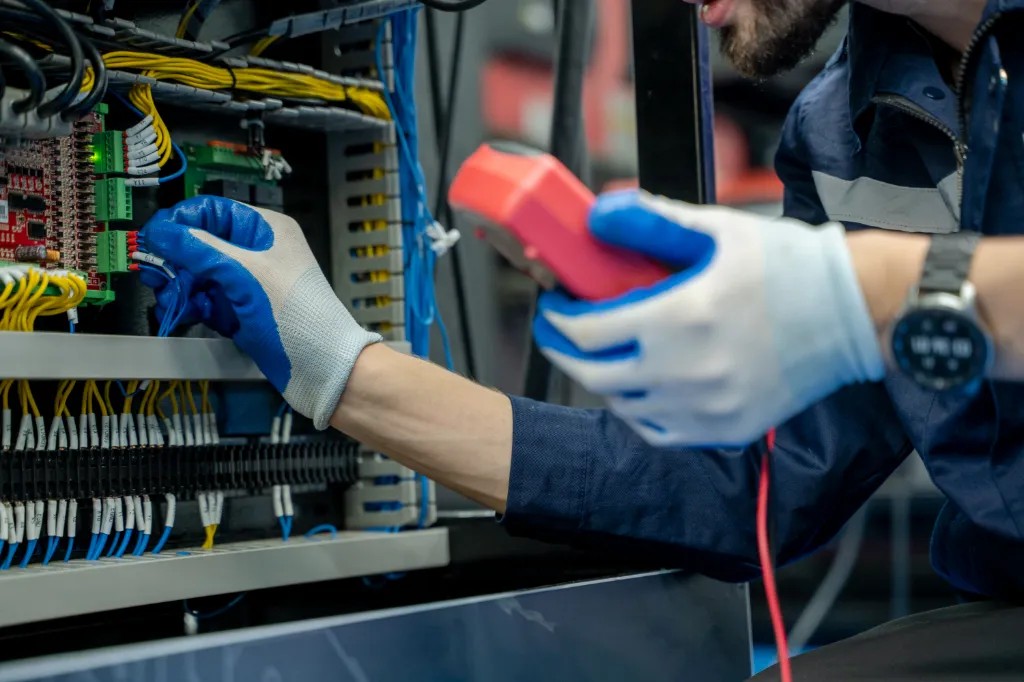
- The first step is to conduct a detailed power survey using a digital multimeter. Measuring voltage, frequency, and checking for noise or ripple at various points helps locate faults in the power and grounding systems. This method is key to narrowing down possible causes.
- Next, electricians inspect connections and test components using specialized tools. Test loads and insulation testers check whether wires and equipment can safely handle normal electrical demand. This helps reveal hidden damage or insulation breakdowns that could lead to more serious faults.
- Finally, for complex or recurring problems, advanced tools like oscilloscopes are used to analyze both digital and analog signals. This can uncover intermittent issues or problems in control wiring, which are not always obvious during basic tests. Identifying these subtle faults early can help prevent future disruptions.
Addressing Frequent Breaker Trips and Flickering Lights in Commercial Settings
Breaker trips and flickering lights in commercial spaces can disrupt daily work and point to deeper issues.
- Demand surges: Central Ohio’s grid has seen a dramatic rise in energy demand driven by expanding data centers and digital infrastructure. New projects, some using up to 300 MW, put extra stress on local power systems.
- Circuit overloads: The use of more computers, equipment, or HVAC units in a business may cause circuits to exceed their safe limits. When this happens, breakers trip often or lights flicker as the system struggles to keep up.
- Loose or aging connections: Is there a pattern of lights dimming or flickering when large appliances start up? That can signal loose wiring or worn-out connections, which may lead to overheating or safety hazards if left unchecked.
- Panel limitations: If a building’s electrical panel is outdated or lacks sufficient capacity, it may not handle today’s load. Upgrading panels to meet new demand helps reduce nuisance trips and supports future business growth.
- Grid fluctuations: There are times when area-wide voltage changes, especially during high regional demand, affect business lighting and equipment. Installing surge protection or voltage regulators can help keep critical systems stable.
How Delaware, Ohio Electrical Codes Impact Business Repairs
Several key factors make local electrical codes a central concern for business repairs in Delaware, Ohio. The main reason is that these codes set the minimum standards for wiring, panel upgrades, and equipment installation in commercial spaces. Failure to meet code will delay repairs, lead to failed inspections, or even close a business until the problem is fixed. There are specific rules about circuit capacity, grounding, and safe routing of wires, which means any repair must account for the building’s age and previous work.
Is it an older business property? There may be outdated wiring or panels that are no longer allowed under current code, so repairs often require upgrades to meet today’s standards. The process is not just about fixing what is broken. It is about making sure every repair aligns with Ohio’s adopted version of the National Electrical Code, as well as local amendments. This approach helps prevent future power problems and reduces the risk of fire or equipment damage.
The implication is clear: business owners and property managers should expect that repairs may involve code-driven changes, not just quick fixes, and should plan for both the time and investment this adds to the repair process.
Several key points help Delaware, Ohio businesses and their electricians diagnose and fix persistent electrical issues. Early warning signs, such as buzzing outlets, burning smells, and flickering lights, often reveal hidden wiring faults or overloaded circuits. Electricians use a step-by-step approach that includes detailed power surveys, connection checks, and advanced tools to pinpoint problems and prevent future disruptions. Issues like frequent breaker trips or dimming lights may result from overloaded circuits, loose connections, or outdated electrical panels, especially as local energy demands increase.
Local electrical codes further shape repairs by requiring updates to wiring and panels, not just quick fixes. Addressing these factors early helps reduce downtime and supports a safer, more reliable workplace.
