
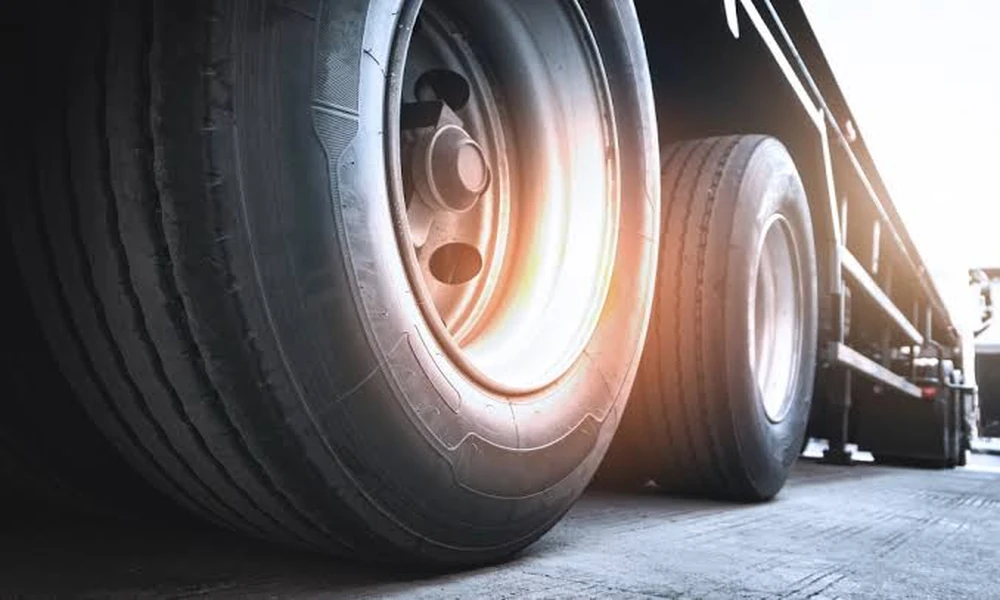
Tire wear patterns have a more important role to play than just their mere cosmetic appearance. They can, in fact, point towards various issues affecting your truck that can turn into major, costly issues to fix. So, how to identify uneven tire wear on heavy trucks and link them to specific problems. The following guide can help.
1. Center Wear
Overinflation is usually the underlying cause behind center wear. There is greater wear at the center than at the edges. It can cause the tire to bulge in the middle. It is recommended to check tire pressure regularly and ensure that you follow the manufacturer’s recommendations.
2. Edge Wear
Edge wear can occur outside or inside the tire. The common underlying cause is improper alignment or underinflation. These problems can create a greater load at the edge, causing faster wear. Make sure your truck’s tires are properly inflated and fix any alignment issues in time.
3. Cupping
Cupping is marked by the appearance of high and low spots around the tire tread. It is usually caused by unbalanced wheels or worn shock absorbers. Cupping can be addressed by replacing worn components and balancing your truck’s tires. Taking these steps can also prevent more extensive suspension issues.
4. Feathering
Feathering is marked by the appearance of a saw-tooth pattern across the tread. Improper toe-in or toe-out alignment is usually the most common cause. It is recommended to adjust the tire’s alignment. This can not only address the issue but also improve fuel efficiency.
5. Diagonal Wear
Diagonal wear typically occurs on drive tires. Improper tire inflation or mismatched tires can be a common cause here.
6. Camber Wear
This type of tire wear indicates a problem with your heavy truck’s camber angle. This angle must stay parallel to the ground. You should correct the camber angle to stop further wear. This can also help improve your truck’s safety.
If one side of a tire is wearing faster, it is almost always an alignment issue. More specifically, the problem is a worn suspension component or poor camber alignment.
When to Replace Your Heavy Truck’s Worn Tires?
While taking the above-mentioned steps can help address uneven wear in many scenarios, there are times when a tire is beyond saving. Here are the key scenarios where you should replace worn tires:
- The tread has reached the minimum legal depth of less than 1.6mm. It is, however, recommended to maintain a safe minimum tread depth of 3mm and replace the tire if it falls below it.
- Appearance of bulges, exposed cords, deep cracks, or blisters.
- When the wear pattern has a significant impact on handling, quality of ride, or causing vibrations.
- The tire has reached the end of its recommended lifespan.
Extending Your Tire’s Life
While it is important to monitor wear patterns and take proper measure when your truck’s tires need repair or replacement, you can take certain steps to extend the tires’ lifespan. Here are the key steps you can take:
- Ensure Proper Inflation: You should check cold tire pressure every week. It is recommended to rely on load-based inflation rather than a single PSI figure across your fleet.
- Periodic Alignment Checks: Your trucks’ tires should get at least annual alignment. Keep in mind that a change in alignment by just 1/16″ toe can cause a sideways drag at the rate of 8 feet per mile.
- Tire Rotation: Your truck’s tires should be rotated as per the manufacturer’s recommendation. Tire rotation plays an important role in evening out position-based wear patterns.
- Maintain the Suspension: All suspension components should be inspected during preventive maintenance. This includes shocks, wheel bearings, bushings, and struts. Cupping, the most intense wear pattern, is commonly caused by worn-out shock absorbers.
Driver training can also help reduce tire wear. Bad driving habits such as hard braking, curb contacts, and hard cornering are known to accelerate tire wear.
Once you have a clear understanding of the relationship between tire wear patterns and their causes, you can prevent major and costly repairs and breakdowns. Ensuring regular tire inspections and maintenance can go a long way in detecting these patterns and increasing your tires’ lifespan.
